



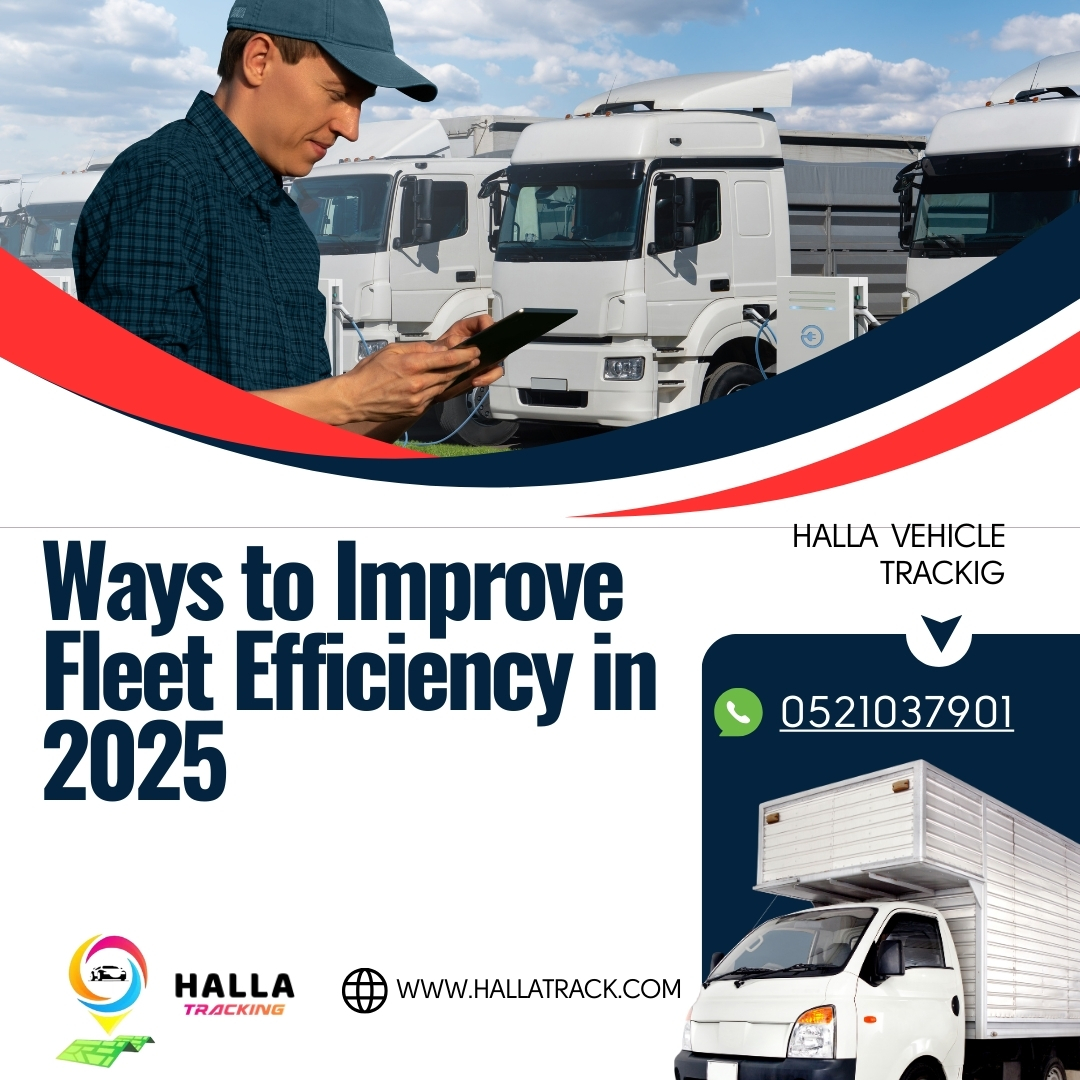
10 Helpful Ways to Improve Fleet Efficiency in 2025
By: hallatrack.com / 23 December 2024
Whether you operate a small delivery fleet or are responsible for upwards of several dozen vehicles, here are 10 practical to help drive your fleet’s efficiency this year. 1. Use GPS Vehicle TrackingGone are the days of guessing where your vehicles are. GPS tracking systems show real-time data on routes, driver behavior, and vehicle performance. With the precision of tracking, you will be able to work out routes more effectively, save on fuel, and raise overall productivity. Pro Tip: Find a system that gives detailed analytics, such as fuel usage and idle times, for even deeper insights. 2. Data for Smarter Decision-Making2025 fleet management is data driven-from fuel efficiency to maintenance schedules, the insights you collect will inform all your decisions. Invest in the tools that will corral this information into a single dashboard for easy insight. 3. Invest in Preventative MaintenanceNothing kills efficiency like unexpected breakdowns. Create a routine maintenance schedule for all your vehicles. Regular oil changes, tire rotations, and checkups on the engine might seem minor but can save you big in the long run. 4. Train Drivers for Better HabitsDriver behavior plays a huge role in fleet efficiency. Training your drivers to avoid hard braking, excess idling, and speeding will do more than reduce wear on your vehicles: it saves fuel. Bonus: Consider offering incentives to drivers for consistent safe and fuel-efficient driving records. 5. Optimize Your Routes with AIRoute optimization has come a long way. AI-powered tools can analyze traffic patterns, weather conditions, and delivery schedules to create the most efficient routes for your fleet. This technology helps save time, fuel, and resources. 6. Invest in Fuel-Efficient VehiclesIf you are planning on expanding or replacing your fleet, consider more fuel-efficient vehicles or hybrid/electric options. While the higher initial cost may be more expensive, the long-term savings in fuel and maintenance make it well worth the extra investment. 7. Minimize Idle TimeIdling simply wastes fuel and causes premature wear to the engine. Utilize tracking systems that create alerts when idling has been excessive and establish idling limiting policies. Adding just minutes saved per vehicle per day will add up. 8. Go DigitalManual, paper-based processes are a thing of the past. Move to using digital logs, receipts, and records. Not only does this limit the possibility for human errors, but the time consumed by drivers and fleet managers is reduced as well. 9. Tire Health MonitoringUnderinflated tires consume more fuel. Always check the tire pressure and invest in tire monitoring systems for the best performance. 10. Upgrade Your TelematicsTelematics is not just about GPS tracking anymore. Advanced telematics systems can track everything from driver behavior to vehicle diagnostics. Upgrading your system ensures you’re making the most out of every vehicle.Improvement in fleet efficiency never happens overnight, but those small, thoughtful steps one takes can bring about very worthy long-term results. By embracing these strategies, it has to be remembered that the goal is not to save money but to actually create a safer, more sustainable, and productive fleet operation. What strategies are you planning on implementing in 2025? Share with us below; we’d love to hear from you!
Read MoreWhy Every Transportation Manager Should Use GPS Systems for Vehicle Tracking
By: hallatrack.com / 20 June 2024
In the modern world of logistics and transportation, efficiency and reliability are paramount. For transportation managers, ensuring that vehicles are running smoothly, on time, and within budget is crucial. One technology that has revolutionized the industry is the Global Positioning System (GPS). Here are compelling reasons why every transportation manager should integrate GPS systems into their vehicle tracking strategy. 1. Enhanced Fleet Management A GPS system provides real-time data on the location, speed, and direction of each vehicle in the fleet. This real-time visibility allows managers to make informed decisions about routing, dispatching, and resource allocation. With precise tracking, you can optimize routes, reduce travel time, and enhance overall fleet efficiency. 2. Improved Driver Performance and Safety Driver behavior significantly impacts vehicle wear and tear, fuel consumption, and safety. GPS tracking systems can monitor driving patterns, such as speeding, harsh braking, and idling. By identifying and addressing these behaviors, managers can implement training programs to promote safer and more efficient driving habits. This not only reduces the risk of accidents but also extends the lifespan of the vehicles and cuts down on maintenance costs. 3. Cost Savings on Fuel and Maintenance Fuel is one of the largest expenses for any transportation company. GPS systems help reduce fuel consumption by providing optimized routes that avoid traffic congestion and minimize unnecessary mileage. Additionally, by monitoring vehicle health and driver behavior, GPS systems can alert managers to potential maintenance issues before they become costly problems. Preventive maintenance based on real-time data helps avoid breakdowns and extends the life of the vehicles. 4. Enhanced Customer Service In today’s competitive market, customers expect timely and reliable deliveries. GPS tracking allows transportation managers to provide accurate delivery times and real-time updates to customers. This transparency builds trust and improves customer satisfaction. Moreover, in the event of delays or issues, managers can proactively communicate with customers and provide solutions, enhancing the overall customer experience. 5. Theft Prevention and Recovery Vehicle theft is a significant concern for transportation companies. GPS systems act as a deterrent to theft by enabling real-time tracking of stolen vehicles. If a vehicle is stolen, the GPS system can provide its exact location, allowing for quick recovery and minimizing the impact on the business. This added layer of security gives peace of mind to both managers and vehicle operators. 6. Regulatory Compliance and Reporting Transportation managers must comply with various regulatory requirements, including hours of service, emissions standards, and safety regulations. GPS systems simplify compliance by automatically tracking and recording the necessary data. This reduces the administrative burden and ensures accurate and up-to-date records. In the event of an audit, having detailed and reliable data readily available can streamline the process and prevent potential fines. 7. Data-Driven Decision Making One of the most significant advantages of GPS systems is the wealth of data they provide. Managers can analyze this data to identify trends, measure performance, and make informed decisions. For instance, by examining route efficiency, vehicle utilization, and driver performance, managers can implement strategies to improve overall operations. Data-driven decision-making leads to continuous improvement and long-term success. Conclusion Incorporating GPS systems into vehicle tracking is no longer a luxury but a necessity for transportation managers. The benefits are clear: enhanced fleet management, improved driver performance, cost savings, better customer service, theft prevention, regulatory compliance, and data-driven decision-making. By leveraging the power of GPS technology, transportation managers can achieve greater efficiency, safety, and profitability in their operations. Embrace GPS systems and drive your fleet into the future with confidence. Implementing GPS systems is a strategic investment that pays dividends in multiple areas of transportation management. If you haven’t already, it’s time to explore the options available and take your fleet management to the next level.
Read More